Start donating poor people

Campaign

Image
Image
Start donating poor people

Be the reason of someone smiles Causes

Migration & Livelihood

Migration has become a common livelihood strategy in rural Odisha, especially in Nuapada district where employment opportunities are limited. PARDA, with support from Tata Trusts, worked extensively between 2016–2019 to improve the quality of life of migrant workers and their families. The initiative focused on migration resource centres, worker education, social security inclusion, livelihood enhancement, vocational training, agriculture and health support. The project covered 54 Gram Panchayats and 316 villages, supporting more than 14,000 migrant families.

Distress Migration under INRM

The Integrated Natural Resource Management (INRM) programme was designed to reduce distress migration by strengthening sustainable rural livelihoods. Activities included watershed management, WADI plantation models, trench cum bund construction, farm ponds, check dams, irrigation facilities, compost pits and horticulture promotion. Mango, pomegranate and lemongrass plantations were introduced to increase long-term income opportunities for farmers. The programme also encouraged soil conservation, groundwater recharge, food security and climate-resilient agriculture practices.

Promotion of Farmers Producer Organisation

PARDA promoted Farmer Producer Organisations (FPOs) to strengthen the economic condition of small and marginal farmers through collective action. By organizing producers into groups, farmers gained better bargaining power, easier access to markets, improved agricultural inputs, modern technologies and fair pricing for their produce. The initiative also reduced dependency on middlemen and helped farmers achieve economies of scale through aggregation, ultimately improving agricultural productivity and household income.

Integrated Farming in Tribal Areas

PARDA implemented a special integrated farming programme in 10 Gram Panchayats of the Nuapada cluster to strengthen tribal livelihoods and improve food security. More than 500 tribal farmers received training on crop diversification, livestock rearing, sustainable farming and integrated agriculture practices. Demonstration plots were established to showcase successful farming models, while seeds, saplings and livestock were distributed to beneficiary families. The programme significantly enhanced agricultural productivity and income generation.

Hunger & Rural Poverty Elimination

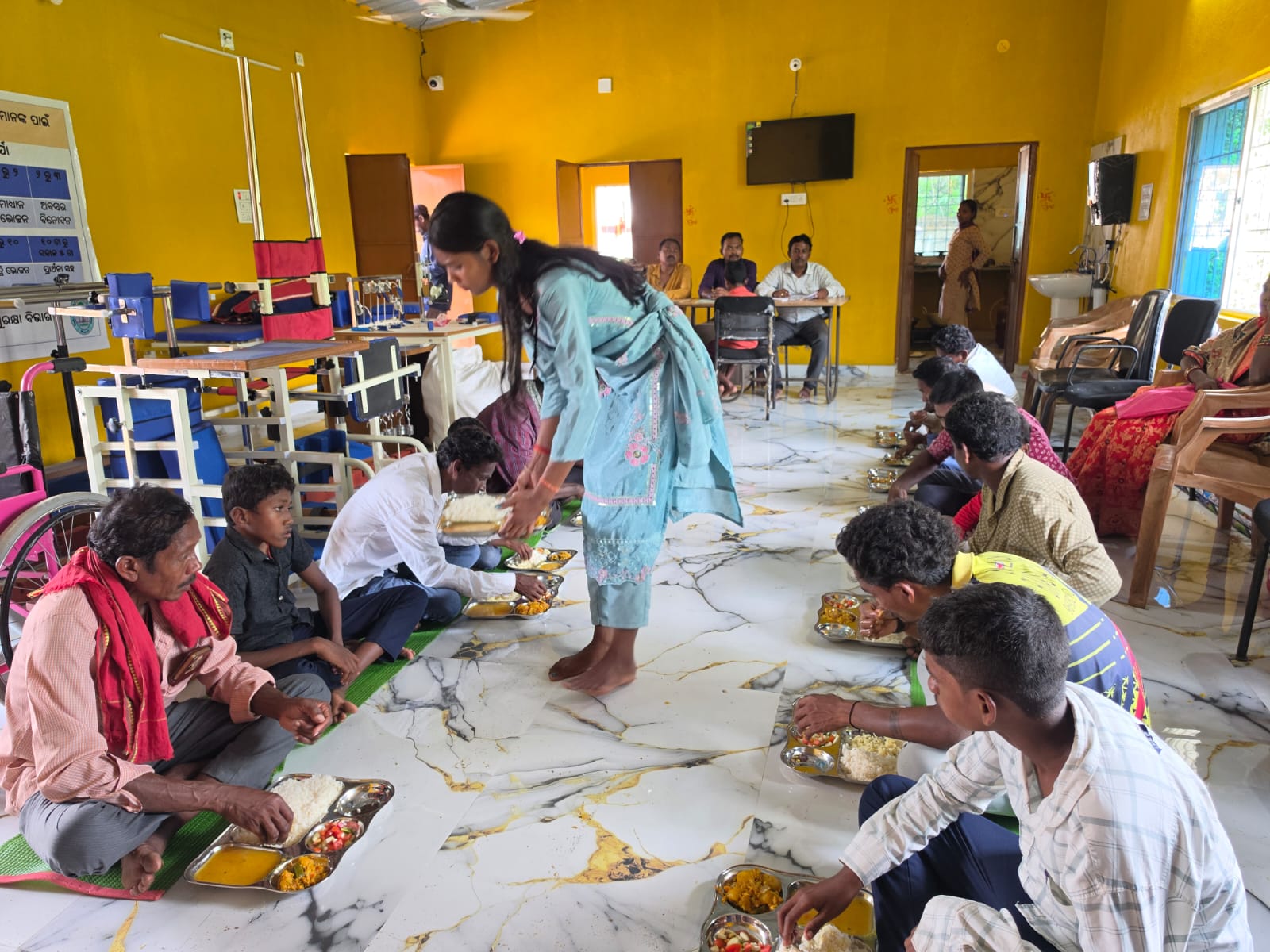
PARDA implemented nutrition and food security initiatives to support vulnerable tribal communities suffering from hunger and malnutrition. Nutrition awareness camps and workshops were conducted for children and parents, while nutrient-rich food supplements were distributed among malnourished children. Through the Rahat programme, emergency food assistance and community kitchens were established in several villages to support families facing acute food insecurity. The initiative contributed to improved child health, nutrition awareness and community well-being.

Disaster Risk Management / VDMP

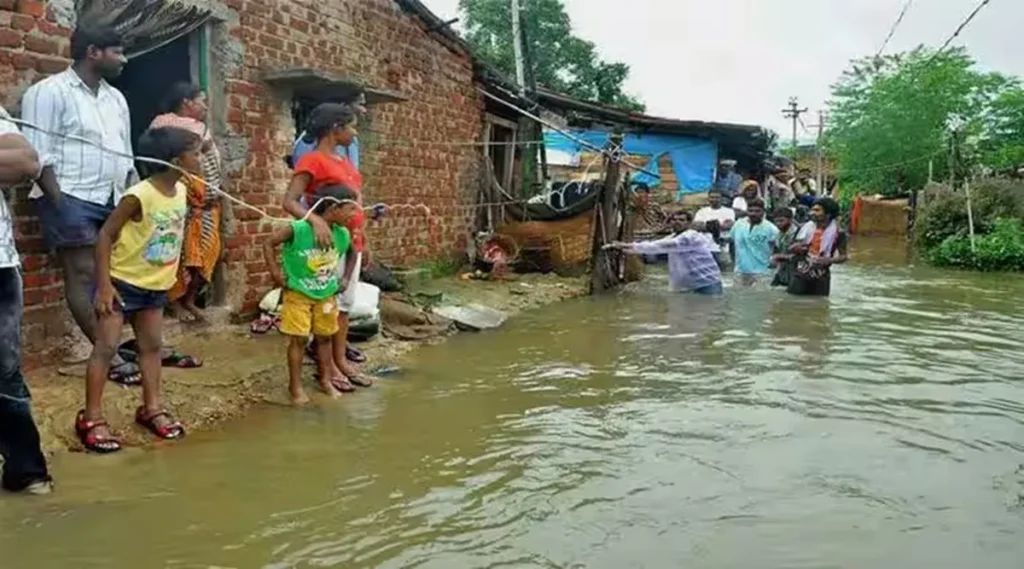
PARDA developed and implemented Village Development Mitigation Plans (VDMP) across 56 Gram Panchayats in Nuapada district to strengthen disaster preparedness and community resilience. Detailed risk assessments were conducted to identify local vulnerabilities and hazards. More than 2,000 community members received training on disaster preparedness, response and recovery practices. Mock drills and awareness programmes were organized regularly to improve emergency response systems and minimize disaster-related risks.

Women Empowerment

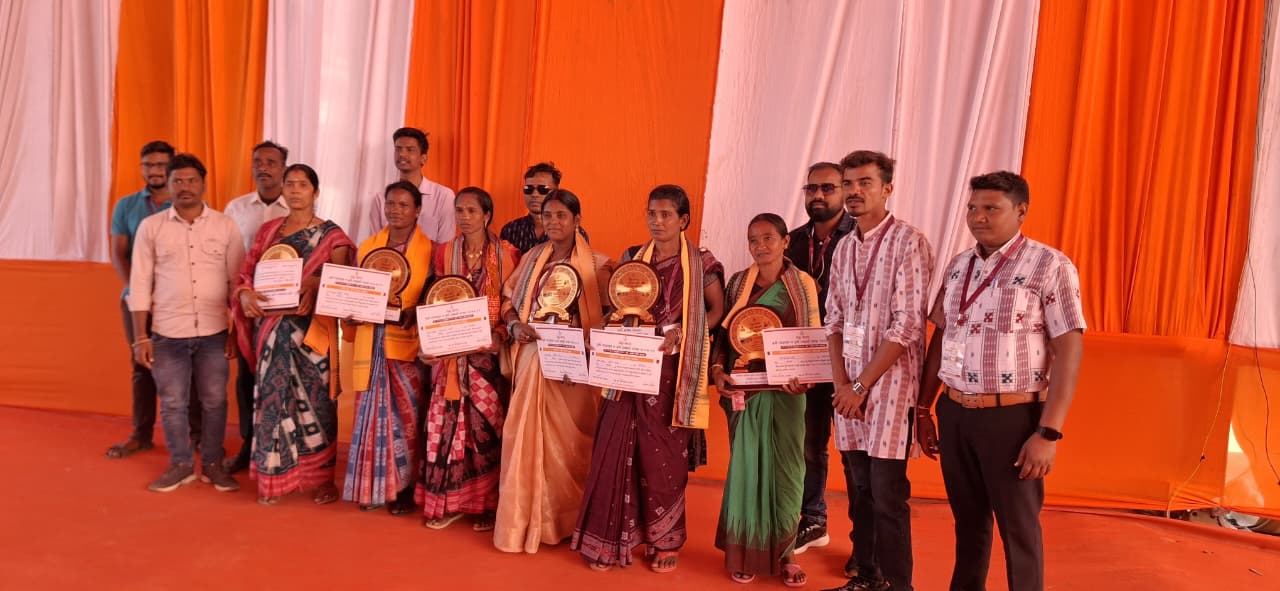
PARDA is committed to empowering women through education, awareness, skill development and cultural participation. The initiative focuses on strengthening women’s confidence, leadership abilities and economic independence by creating equal opportunities in society. Various training programmes, community activities and awareness campaigns encourage women to become self-reliant contributors to their families and communities. Through collective participation and social inclusion, the programme promotes dignity, equality and sustainable development for women.

Image